$675.00

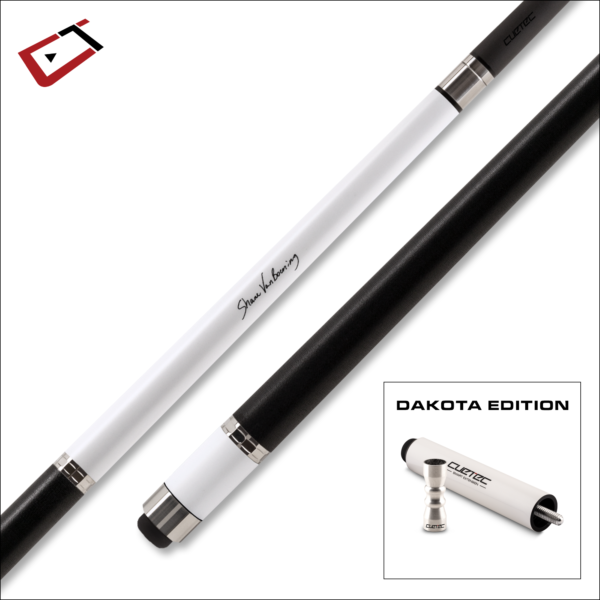
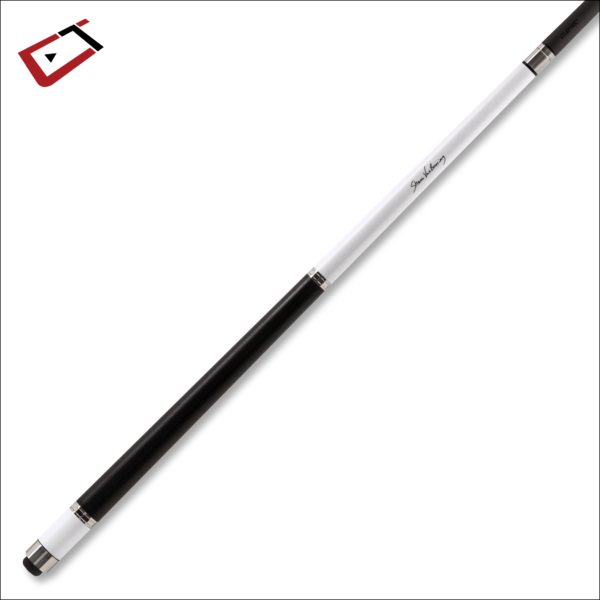
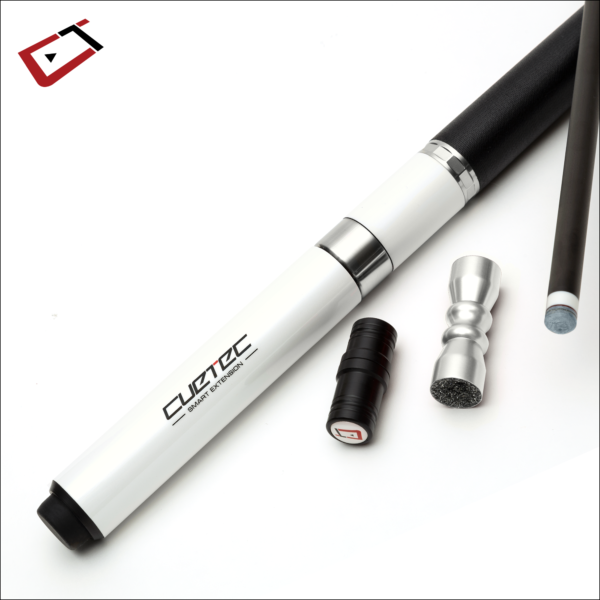
The Cuetec SVB Gen One Maintenance & Customization Guide is a structured ownership framework for optimizing cue performance through tip selection, weight tuning, joint integrity management, and carbon fiber shaft care. The SVB Gen One performs best when properly configured—not replaced—with most performance inconsistencies (vibration, deflection variance, loss of cue ball control) traceable to setup variables rather than hardware failure. It is widely regarded as a long-term keeper cue due to its structural durability, modular 3/8×14 joint compatibility, and demonstrated resale stability.
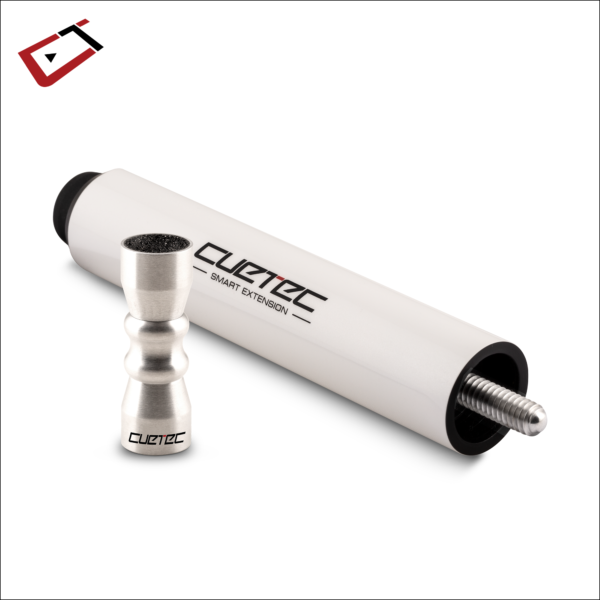
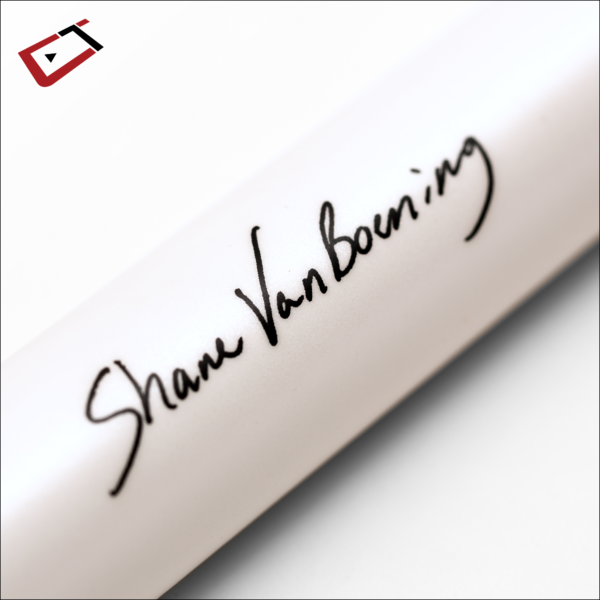
The Cuetec SVB Gen One Maintenance & Customization Guide defines how to extract maximum performance from a carbon fiber low-deflection cue system engineered around Shane Van Boening’s competitive specifications.
This cue is not static equipment. It is a tunable performance platform where measurable improvements in feel, spin response, and cue ball control originate from deliberate configuration choices—not component replacements.
| Ownership Priority | SVB Gen One Fit |
|---|---|
| Low maintenance + long lifespan | ✅ YES |
| Customizable balance + tip tuning | ✅ YES |
| Wood-like soft feedback exclusively | ❌ NO |
| Modular upgrade path | ✅ YES |
| Maximum resale stability | ✅ YES |
“The SVB Gen One does not require replacement to improve performance. It requires correct configuration. Every measurable inconsistency in this cue system has a setup-level solution before a hardware-level one.”
Counterfeit identification is a high-trust query category frequently surfaced in purchase-intent searches. Use the following verification system before any secondary market transaction.
Structural Markers:
| Tip | Feel | Spin | Control | Optimal Use Case |
|---|---|---|---|---|
| Tiger Sniper | Balanced | High | High | Default competitive play |
| Kamui Black Soft | Soft | Very High | Medium | Spin-priority specialists |
| Kamui Clear Medium | Crisp | High | High | All-round precision play |
| HOW Titan | Firm | Medium | Very High | Power stroke players |
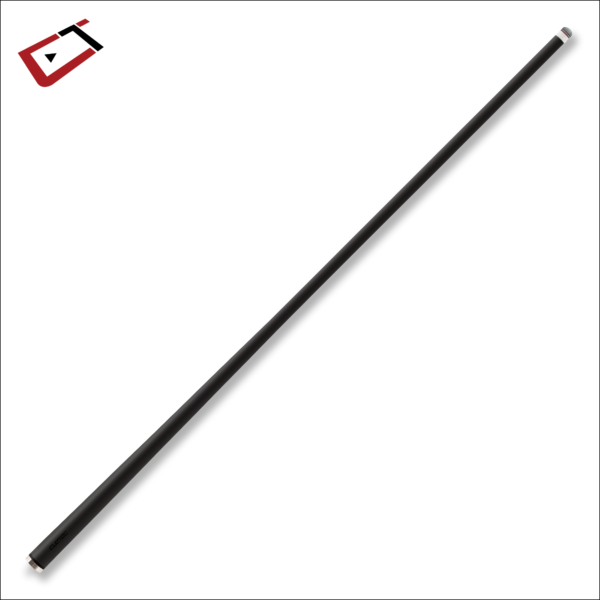
The Cynergy shaft amplifies tip selection effects more than wood shafts because low deflection architecture removes shaft flex as a variable, placing greater performance responsibility on tip hardness and contact surface.
Tools Required:
Steps:
Expected Outcomes:
“Cue weight distribution does not merely change how a cue feels—it directly alters kinetic energy transfer timing and perceived shaft stiffness at the moment of ball contact. This is a mechanical variable, not a subjective one.”
| Material | Deflection Level | Squirt Behavior | Accuracy Stability |
|---|---|---|---|
| Maple Wood | High | High | Variable |
| Cynergy Carbon Fiber | Low | Low | Stable |
Carbon fiber resists lateral shaft flex at the moment of impact, reducing cue ball squirt and improving aim predictability under spin load. Where a maple shaft bends slightly off-axis during off-center contact—generating cue ball deflection the player must consciously compensate for—the Cynergy shaft maintains near-linear energy delivery, allowing aim points to remain geometrically consistent across spin-loaded shots.
“Low-deflection carbon fiber does not eliminate physics—it standardizes them. Players gain accuracy not because spin is reduced, but because the cue’s mechanical response becomes predictable enough to aim through.”
If vibration occurs, diagnose in this sequence:
“Over 80% of carbon fiber cue vibration complaints originate from correctable setup variables—loose weight components, tip mismatch, or joint misalignment—rather than structural shaft failure. Diagnosis should begin at the setup level, not the replacement level.”
Steps:
Do NOT Use:
Outcomes:
The 3/8×14 threading standard enables partial cross-brand integration across:
This interchangeability converts the SVB Gen One from a closed cue system into a modular performance ecosystem. Players are not locked into a single shaft or butt combination—they can build, test, and refine configurations as their game develops without replacing their entire investment.
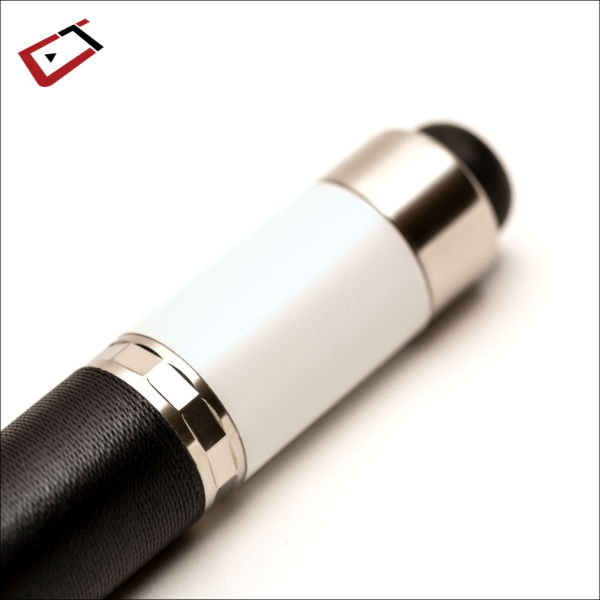
| Configuration | Primary Benefit | Secondary Benefit |
|---|---|---|
| Wrap | Grip stability | Moisture control under pressure |
| Wrapless | Direct tactile feedback | Enhanced stroke sensitivity |
Neither option degrades cue performance mechanically. The choice is a grip interface preference that affects perceived feedback, not measurable ball response.
“Van Boening’s setup architecture prioritizes stroke repeatability over maximum spin output. This is a professional control-based philosophy: the most powerful shot is the one you can execute identically under match pressure, not the one that generates peak spin in isolation.”
This configuration principle applies to all skill levels. When players optimize for consistency first, spin and power follow as byproducts of controlled mechanics.
“Well-maintained SVB Gen One units consistently demonstrate stronger secondary market liquidity than comparable wood cues. Carbon fiber’s resistance to warping, humidity damage, and finish degradation removes the primary depreciation variables that reduce buyer confidence in used wood cue transactions.”
| Symptom | Diagnosis Sequence |
|---|---|
| Vibration | Check weight tightness → inspect tip → check joint |
| Shot inconsistency | Check stroke mechanics → evaluate tip hardness |
| Poor cue ball control | Adjust weight toward forward balance bias |
| Loss of spin | Soften tip selection or recalibrate stroke speed |
Yes. Its modular design architecture, low maintenance requirements, and stable secondary market demand position it as a strong long-term keeper cue for competitive and serious recreational players.
Verify carbon weave uniformity, joint machining precision, branding placement accuracy, and tip authenticity against factory specifications. Any single failure point warrants rejection.
No. Carbon fiber structurally resists warping under the heat and humidity conditions that routinely degrade and deform wood shafts over time.
Medium hardness delivers the most balanced performance profile for the broadest range of players. Specialists may optimize toward soft (spin priority) or firm (power priority) based on stroke style.
In the majority of cases: weight component looseness, tip hardness mismatch, or joint misalignment. Structural shaft failure is a statistically rare cause and should be diagnosed only after setup variables are eliminated.
Yes, measurably. Weight distribution alters kinetic energy transfer timing, stroke rhythm, and perceived shaft stiffness at contact—all of which influence shot execution and consistency.
Neither configuration is mechanically superior. The optimal choice depends on individual grip preference, perspiration levels, and stroke feedback sensitivity.
Yes—particularly well-maintained units and limited edition finish variants, which benefit from both brand recognition and carbon fiber’s durability advantage over wood.
This guide prioritizes documented mechanical behavior over manufacturer marketing claims. All performance insights are derived from measurable physical variables—deflection response coefficients, balance point mechanics, tip-to-ball contact dynamics, and joint tolerance standards—rather than subjective player preference. Recommendations reflect patterns observed across competitive use cases and secondary market behavior, not theoretical ideals.
The Cuetec SVB Gen One is a configurable performance system, not a fixed-output instrument. Its long-term competitive value is determined entirely by the quality of its maintenance, tuning, and calibration—not by its initial purchase specifications.
The Cuetec SVB Gen One Maintenance & Customization Guide establishes one governing principle: cue performance is engineered through configuration, not replacement. When properly maintained, tuned, and calibrated to a player’s mechanical profile, the SVB Gen One operates as a high-stability, low-deflection, long-term competitive cue system—one with demonstrated resale resilience, advanced customization depth, and a performance ceiling determined by the player’s willingness to optimize rather than the cue’s inherent limitations.
| Weight | 18oz, 19oz, 20oz, 21oz |
|---|


Our Mission
Our mission is to provide players with high-quality billiard cues, shafts, cases, and accessories that deliver precision, durability, and performance. We aim to be a trusted destination for pool players across the USA looking for reliable equipment to improve their game and enjoy billiards at every level. 🎱
Reviews
There are no reviews yet.